Sustainable Sushi 101 | Santa Rosa & Wine Country Dining and Restaurants

Sustainable Sushi 101


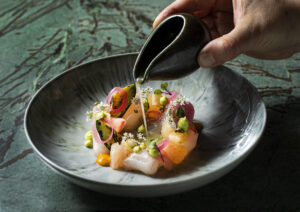
sustainablesushipic.jpgEating sustainably doesn’t always go down well when it comes to sushi. While many seafood restaurants have dropped over-fished species like sea bass, swordfish, Atlantic cod and monkfish from their menus, sushi chefs are having a harder time swapping out their much coveted cuts of tuna, salmon and octopus for more ocean-friendly swimmers.

Like, say, sardines. Not frequently found on sushi menus, they’re a hard-sell for sushi-lovers used to the mild, fatty flavors of toro (tuna belly), sake (salmon) and unagi (freshwater eel) as opposed to leaner, fishier flavors more sustainable fish. But for the sake of the oceans, watch groups like The Monterey Bay Aquarium suggests we start changing out palettes and our minds about what we put on our chopsticks.

According to Aquarium’s Seafood Watch program, considered the top authority on sustainable seafood eating, there’s a growing concern in the scientific community that we’ve already eliminated as much as 90 percent of the large predatory fish such as shark, swordfish and cod from the world’s oceans. In 2003, the Pew Oceans Commission warned that the world’s oceans are in a state of “silent collapse,” threatening our food supply, marine economies, recreation and the natural legacy we leave our children.

Also of serious concern, the levels of mercury and other toxins in larger fish like tuna and the ecological impact of fish “farms”, large-scale operations that were once hoped to be the saviour of the seas, but in some cases have turned out to be worse for both human and environmental health.


So, what’s a fish-eater to do? The path to guilt-free sushi eating can be a bit complicated, but the key is to do a little research before you go and make choices you can live with.

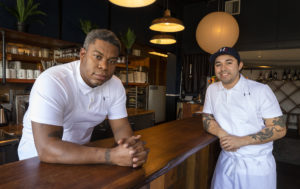
I recently challenged chef Ken Tominaga, chef-owner of Hana Japanese Restaurant (101 Golf Course Rd, Rohnert Park, 586-0270) and a partner at St. Helena’s Go Fish, to serve up a sushi meal for local chef Chef John Ash, on the board of Seafood Watch. Even for pros like Tominaga and Ash, the choices aren’t always crystal clear. Tominaga is passionate about the Japanese fish he has flown in each week, but also serves a variety of sustainable choices. Fresh versus farmed can also raise some serious questions that even experts are still sorting out.

After much discussion, we ended up with a lunch of Spanish mackerel, Geoduck clams (Washington), Alaskan wild salmon, cuttlefish, live scallops, uni (from Mendocino) and Alaskan albacore tuna, and didn’t feel a bit deprived. Okay, except maybe for the tuna belly.

bigfish.jpgWant to do the right thing when it comes to eating fish? Here are some best practices…

- Get a sustainable seafood guide from the Monterery Bay Aquarium’s Seafood Watch: Available for sushi and cooked fish, these handy guides list Best Choices, Good Alternatives and fish to Avoid. Ask the sushi chef to help you pick from the list of best or good choices. There are even iPhone and mobile apps for you phone. www.montereybayaquarium.org.

- If you must eat toro, try to find out how it was caught: Tuna belly (toro) is the holy grail of sushi eating, an especially important to the Japanese. The richest, most supple part of the fish, it can go for thousands of dollars a pound. If you’re going to splurge, look for troll or pole-caught fish, said to be more sustainably harvested. If you can’t find that, at least ask some questions about where the fish comes from. and eat in moderation. Big eye, bluefin and Yellowfin tuna are known to be especially high in mercury and other contaminants. Albacore is a more sustainable choice, though not considered as highly-prized.

- Know your salmon: Experts in sustainability say Alaskan wild-caught salmon is the only way to go, with Washington’s salmon a close second. Farmed salmon, including that from the Atlantic, is considered to be harsh on the environment due to waste, parasites and diseases escaping into open oceans. Inland-bred domestic salmon are good, choices, however. At Hana, Tominaga is a strong proponent of Japanese fish farms, which he believes are sustainable. Confused? We were too, when it came down to doing the right thing, there are still lots of conflicting opinions. Chefs have a lot invested in their restaurants, so feel free to ask questions and see if they’ve put thought into their answers.

- Shellfish are good: Oysters, mussels and Giant clams, along with farmed abalone are best choices, so indulge with abandon.

- Be open to new experiences: Arctic char has become a tasty alternative to salmon, with a similar look and texture. Seasonal spring sardines, Spanish mackerel, striped bass and black cod are also best choices which have oilier, fishier flavors, but are worth exploring. And don’t feel bad when you order that “fake” crab roll: made with sustainable pollock fish, its a best choice.

- Be willing to pay for good sushi: The expertise needed to handle raw fish doesn’t usually come cheap, but its better to save your money for a reputable sushi spot that cares where its fish comes from. Tominaga is well-acquainted with many of his purveyors and insists on knowing as much as possible about his fish — many of which come from Japan, a culture he feels is best suited to understand good quality fish. Feel free to ask questions and know what you’re eating. But expect to pay more for sushi with a pedigree.

- Know the fish to avoid: Monkfish (anikimo is monkfish liver) has become a popular delicacy, but put the fish into serious decline. Also seriously in question are imported shrimp, which are widely available. Domestic (both wild and farmed) are a considered better choices and more sustainably harvested. Octopus is an “avoid” food, as well because it is typically caught by bottom-trawling (which drags up many creatures randomly), though spear and line-caught octopus from the Gulf of California and Hawaii are considered good alternatives.

Want more info?
- Sustainable Sushi: Casson Trenor is a guru of sustainable seafood and wrote the book, Sustainable Sushi: A Guide to Saving the Oceans One Bite at a Time.

- Monterey Bay Aquarium Seafood Watch

Related Posts

  1. Hana Sushi
  2. Sushi 101: SoCo style
  3. Tosaki Sushi
  4. Tosaki Sushi
  5. Sushi Smackdown

4 Responses

  1. denacap 25. Feb, 2010 at 7:59 am #

    Alaskan albacore thats funny,i hope that was just an editing mistake.somehow i doubt it though.The general public is is being led around good heathly choices(local and sustainable)by the misinformed likes of the MSC racketeers and fishy writers with an agenda.

  2. drippy chin 17. Feb, 2010 at 10:40 am #

    When I need a quick hit of tuna goodness, there’s the troll-caught, dolphin-safe, low impact canned albacore from local family company at pacificfleettuna.com. They’re out of Petaluma. It’s available in some markets or online at their site. Very satisfying taste and I know I’m supporting environmentally responsible fishing.

  3. Claude 16. Feb, 2010 at 7:12 pm #

    To save the endangered fishes, I have switched to steak tartare. I think of it as mooshi. Stay hungry my friends.

  4. what's cookin'with kate 16. Feb, 2010 at 6:44 pm #

    I hear ya – I’ve gotten so guilty about buying fish and contributing to the collapse of the ocean (and our) eco systems, that I often set out for s fish dinner and then not follow through. Farmed salmon for example is fattier (tastier sometimes) and not as healthy. I say, if everyone in the world went by the practice of moderation, in behavior, in food, in life, we’d all be better off.

Leave a Reply